Fotona 4D Laser Facial (TimeWalker) in Encino, CA for Skin Confidence at Any Age
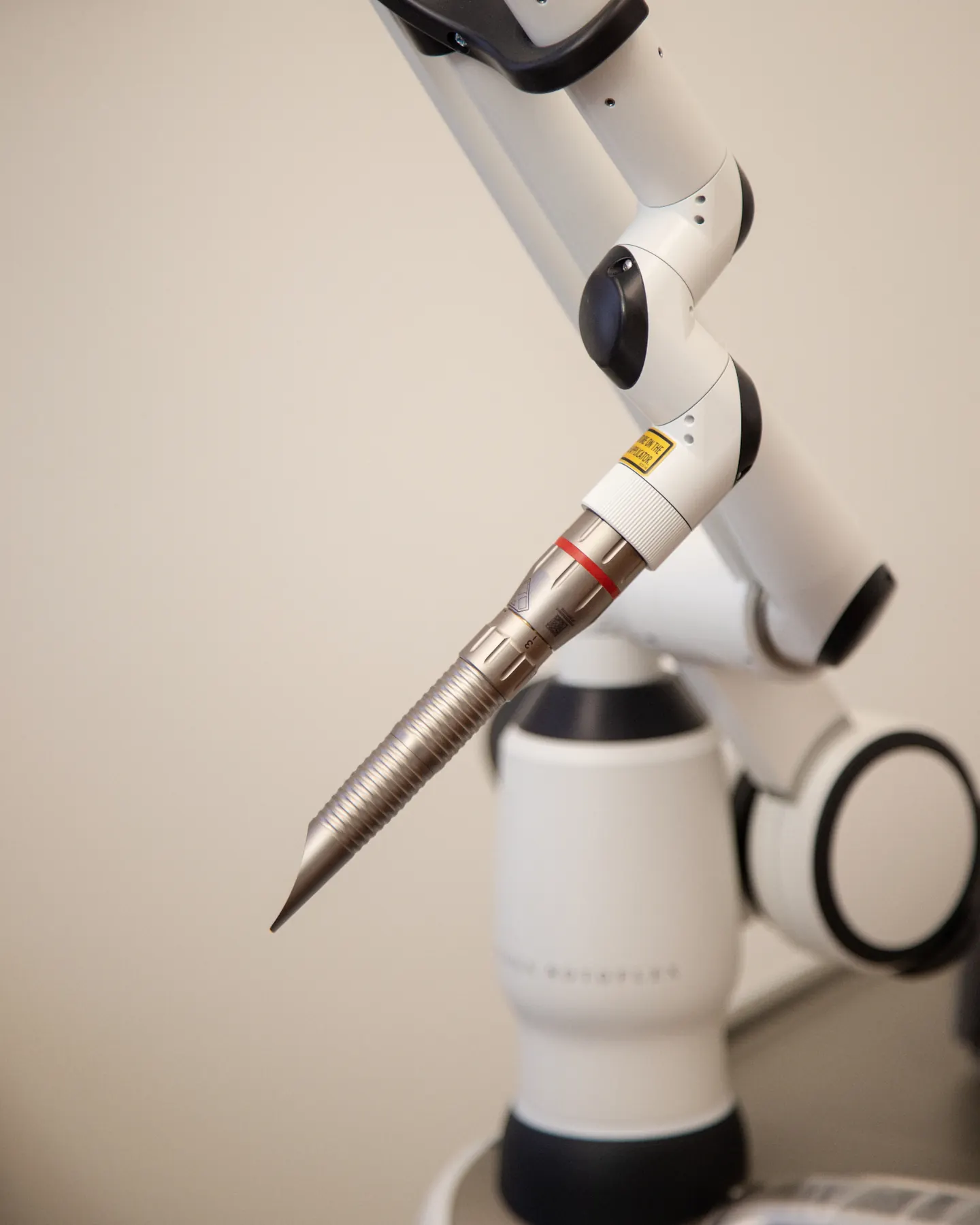
Skin confidence rarely comes from one dramatic moment. More often, it builds slowly, when the mirror starts reflecting a face that looks rested, firmer, brighter, and more like the way you feel inside. That is part of the appeal behind the Fotona 4D Laser Facial, also known in many practices as TimeWalker. It is not a one-note laser treatment aimed at a single concern. It is a layered approach designed to improve tone, texture, laxity, and radiance without asking patients to disappear from daily life for weeks.
In Encino, where schedules are full and expectations tend to be high, that balance matters. People want visible improvement, but they also want treatments that fit around work meetings, school pickups, social plans, and regular life. The Fotona 4D Laser Facial (TimeWalker) Encino, CA patients ask about so often tends to come up in exactly those conversations. It sits in the category between a basic facial and a more aggressive resurfacing procedure. For the right person, that middle ground is where the real value lives.
Why this treatment has gained so much attention
Many skin treatments do one thing well. They may brighten pigmentation, tighten mildly, or polish surface texture. Fotona 4D is appealing because it addresses the skin at different depths, using distinct laser modes in a single treatment session. That layered design is what makes it stand out. Instead of treating the face as one flat surface, it approaches aging the way experienced clinicians see it in real life, as a combination of structural softening, collagen loss, textural change, and dullness.
One of the most interesting aspects is that part of the treatment works from inside the mouth. That surprises people the first time they hear it, but it makes anatomical sense. The support for the lower face and perioral area does not depend only on what happens on the outer skin. Treating the tissue internally can complement what is being done externally, especially around the nasolabial folds, marionette lines, and the general softness that develops in the mid and lower face.
This does not mean Fotona 4D replaces every other option. It does not act like a surgical facelift, and it should not be presented that way. But for patients who want skin rejuvenation with little downtime and a natural-looking result, it often occupies a very useful lane.
What “4D” actually means in practice
The name sounds technical, and in a way it is. The “4D” refers to four treatment modes, each targeting tissue in a different way. While protocols vary slightly by provider and skin goals, the concept is consistent. One step works internally to stimulate collagen and create tightening from within. Another step targets deeper tissue heating. A third addresses superficial imperfections, and a final polishing pass improves overall glow and smoothness.
Patients often expect the treatment to feel like one continuous blast of laser energy. It is more nuanced than that. Different phases feel different. Some areas feel warm and mildly prickly. Others create a sensation similar to a hot massage. The intraoral component can feel unusual simply because it is unfamiliar, not because it is especially painful. Most people tolerate the full session well without heavy anesthesia, though comfort measures vary by office.
That layering is also why outcomes tend to look gradual and believable. Rather than producing a sudden, overdone look, the skin usually improves in stages. Texture can appear smoother fairly early, while firmness and lifting evolve over several weeks as collagen remodeling continues.
The concerns it can realistically improve
A thoughtful consultation matters because “skin rejuvenation” is broad. Some people come in worried about etched lip lines. Others are bothered by crepey texture around the cheeks, a tired look around the mouth, enlarged pores, or the kind of mild sagging that makes the jawline appear less crisp in photos.
Fotona 4D is often best suited for patients dealing with early to moderate signs of aging, especially when the goal is refreshed skin rather than dramatic structural change. Fine lines and soft textural roughness tend to respond well. Mild laxity, particularly in the lower face, can improve enough that patients notice makeup sitting better and the face looking more defined. Dull skin often regains a cleaner, more luminous finish.
It can also be a strong choice for patients who are not ready for injectables, do not want to rely only on injectables, or simply prefer energy-based treatments as part of a maintenance plan. In practice, many patients end up using it as one tool among several. Good aesthetic care is rarely about one device solving everything forever.
Who tends to be happiest with the results
The happiest patients usually share one trait: realistic expectations. They want to look fresher, not transformed into another person. They understand that collagen stimulation is biologic, not theatrical. Skin takes time to rebuild. Tightening is often subtle to moderate. Texture and brightness may show up before lifting does.
Adults in their thirties through sixties often make up the core group for this treatment, though age alone is not the deciding factor. Skin quality, degree of laxity, pigment issues, medical history, and tolerance for downtime all matter more than the number on a birthday cake. A healthy patient in their late fifties with mild to moderate laxity may be a better candidate than a younger person expecting surgical-level contouring from a laser facial.
In Encino, I have seen strong interest from patients who live very publicly, whether that means on camera, in client-facing professions, or simply in communities where appearance carries social weight. They do not necessarily want people to ask what they had done. They want comments like, “You look great,” or, “Did you change your skincare?” That is exactly the category where Fotona 4D often shines.
What a session feels like and how long it takes
A full appointment often runs around 45 minutes to a bit over an hour, depending on the protocol, pretreatment photography, numbing choices, and whether the neck is included. The skin is cleansed thoroughly. Eye protection is used. The provider moves through the different stages methodically, adjusting settings based on the treatment area and patient response.
Discomfort is usually manageable. Most patients describe heat, snapping, or prickling rather than outright pain. The inside-the-mouth portion tends to feel odd at first, but people usually settle into it quickly. The deeper heating phases can feel quite warm, especially along the jawline and cheeks. Surface polishing may feel more active and brisk. Cooling, breaks, and clear communication make a meaningful difference.
Afterward, the skin may look pink or mildly flushed, similar to the effect of a workout or a strong facial. Some patients feel residual warmth for a few hours. Depending on the settings used, there can be a sandpapery texture for a short time as the skin renews itself. Makeup is often delayed at least until the next day, though exact instructions should come from the treating office.
Downtime, social recovery, and what “no downtime” really means
Aesthetic marketing has a habit of flattening reality. Treatments are often described as having “no downtime,” but patients deserve a more useful explanation. Fotona 4D generally involves low social downtime compared with more aggressive resurfacing. That is true. It does not mean every patient walks out looking camera-ready for a gala that same evening.
For many people, the recovery is mild enough that normal life continues. Skin may be flushed for a day or two. There can be slight puffiness, a dry or tightened feeling, and temporary roughness. If more energetic settings are used, especially in patients targeting texture, recovery may stretch a bit longer. A conservative provider will explain where your plan falls on that spectrum rather than offering a vague blanket promise.
This distinction matters in a place like Encino, where many patients are fitting appointments into packed calendars. If someone has a major event on Saturday, I usually think it is wiser to schedule laser earlier in the week or even the week before. Most of the time, that creates enough breathing room for the skin to settle and look its best rather than merely look recovered.
Results over time, and why patience matters
One of the biggest mistakes people make is judging a collagen-based treatment too quickly. Some changes, such as brightness and smoother texture, can appear within days to a couple of weeks. The firmer, more refined look tends to build over one to three months as collagen remodeling develops. That timeline can feel slow if someone is used to the near-immediate effect of filler, but it often omniawellnesscenterencino.com Fotona 4D Laser Facial (TimeWalker) Encino, CA yields a more natural finish.
A series is often recommended, commonly three sessions spaced several weeks apart, though treatment plans vary. Maintenance sessions may follow once or twice a year depending on age, goals, sun exposure, and baseline skin quality. People with strong skincare habits and consistent sunscreen use usually hold their results better. That may sound obvious, but in actual practice it makes a visible difference.
There is also a cumulative quality to this treatment that experienced patients notice. The first session may make the face look brighter and slightly tighter. The second often deepens that effect. By the third, the skin quality can look more settled, smoother, and more resilient. The result is usually less about one dramatic before-and-after and more about a progressive return of firmness and polish.
How it compares with other popular options
The best treatment is rarely the most fashionable one. It is the one that fits the tissue problem, skin type, tolerance for downtime, and the patient’s real priorities.
If a patient mainly needs volume restoration in the cheeks or temples, laser alone will not replace filler. If the chief issue is heavy jowling or significant neck laxity, surgery may provide a more satisfying correction. If the goal is aggressive resurfacing for deeper wrinkles or acne scarring, other ablative options may create a stronger result, though with much more downtime. On the other hand, if the patient wants modest tightening, improved texture, fresher tone, and minimal interruption of life, Fotona 4D often lands in a very attractive spot.
That is one reason the Fotona 4D Laser Facial (TimeWalker) Encino, CA market continues to draw attention. It offers flexibility. It can be used as a primary rejuvenation treatment for some people and as a maintenance tool for others who have already done injectables, surgery, or prior laser work.
Skin tone, safety, and the importance of customization
Not every laser is ideal for every skin tone, and that needs to be said plainly. Safety depends on device settings, treatment goals, the specific wavelength being used, recent sun exposure, melanin level, and the provider’s judgment. That is why a real consultation matters more than a menu of trendy treatment names.
Patients with more pigment in the skin often require a more careful approach to reduce the chance of post-inflammatory hyperpigmentation. That does not automatically rule out treatment, but it does mean planning needs to be individualized. Recent tanning, active irritation, certain medications, cold sore history, and some underlying skin conditions may also change timing or protocol.
Experienced offices in Encino tend to screen thoroughly because this is where outcomes are won or lost. A sophisticated device does not replace clinical judgment. In fact, the more versatile the platform, the more important judgment becomes.
What to ask before booking
A smart consultation should leave you feeling informed, not sold to. It is reasonable to ask how often the practice performs this treatment, whether your skin type is a good match, what kind of improvement is realistic, and what the recovery usually looks like with the specific settings planned for you. Ask whether the provider has before-and-after photos of patients with concerns similar to yours. “Similar age” is less useful than “similar skin quality and goals.”
A few questions are especially worth bringing into the room:
- What concerns is this treatment most likely to improve for my skin, and what will it not fix?
- Will I need a series, and how far apart should the sessions be?
- What should I expect in the first week after treatment?
- Are there any reasons I should postpone, such as sun exposure, upcoming events, or medication use?
- How does this compare with alternatives you would recommend for me?
Those answers often reveal whether the consultation is medically grounded or simply sales-driven.
Preparing for the appointment
Preparation is usually straightforward, but small details help. Sunburned or freshly tanned skin is a poor starting point. Active irritation from strong exfoliants or overuse of retinoids can also complicate treatment. If you are prone to cold sores and the treatment area includes the mouth, many practices will discuss preventive antiviral medication.
Think of laser prep the way you would think of prep for a good photograph. Calm, uninflamed skin performs better. Patients who arrive after a week of heavy acid use, outdoor sports without sunscreen, and a rushed expectation of instant perfection tend to make the experience harder than it needs to be.
Hydration matters, too, though it is not magic. Well-supported skin usually recovers more comfortably than dry, compromised skin. This is one of those quiet truths that do not sound glamorous but consistently play out in clinic.
Aftercare that actually helps
Aftercare does not need to be elaborate. It needs to be appropriate. The first few days are generally about protecting the barrier and reducing unnecessary irritation. Gentle cleansing, simple moisturization, and strict sun protection usually matter more than layering on an expensive lineup of active products. Most providers will tell patients to pause retinoids, acids, scrubs, and aggressive exfoliation until the skin has settled.
It is also wise to be cautious with heat exposure right after treatment. Very hot workouts, saunas, and steam may worsen redness in the short term. Patients are often surprised that the biggest mistakes are not dramatic ones. More often, it is the person who feels good the next day and resumes every strong product in the medicine cabinet all at once.
The people who recover best usually keep it simple. They do not pick at roughness. They do not chase peeling. They let the skin do its work.
Cost, value, and what you are really paying for
Pricing varies by region, provider experience, whether the neck is included, and how extensive the protocol is. Encino is a market where fees can range meaningfully, especially between med spas, dermatology offices, and surgical practices. The cheapest treatment is not automatically the best value. Settings, time spent, operator training, patient selection, and follow-up all influence results.
What patients are really paying for is not only access to a branded treatment name. They are paying for a customized protocol, sound laser judgment, and a clinic environment where safety is handled seriously. In cosmetic medicine, discounts can be expensive if they lead to rushed care or poor parameter choices.
That said, value is personal. Some patients would rather invest in a series of collagen-stimulating laser treatments than keep up with frequent filler. Others prefer the reverse. Neither approach is universally right. The right plan is the one that aligns with your anatomy, tolerance, budget, and aesthetic philosophy.
Why age is only part of the story
The title idea of “skin confidence at any age” is more than a slogan. Age affects collagen, elasticity, and healing, of course, but it does not tell the whole story. A younger patient with heavy sun exposure, chronic dehydration, and neglected skincare can present with dull, stressed skin that benefits greatly from laser rejuvenation. A mature patient with disciplined skincare and modest laxity may respond beautifully because the skin still has good baseline integrity.
Confidence also shifts with age. In the thirties, patients often want prevention and polish. In the forties and fifties, they may be trying to restore definition and counter early laxity. In the sixties and beyond, the goal is frequently refinement rather than reversal. What makes a treatment like TimeWalker useful is that it can adapt to these different phases without forcing every patient into the same aesthetic template.
That flexibility is especially relevant in Encino, where patients often want to age well, not freeze time. The best outcomes are rarely about erasing every line. They are about maintaining vitality, preserving identity, and making the skin look like it has been cared for.
The local factor in Encino, CA
Treatments never exist in a vacuum. Environment and lifestyle matter. Southern California sun exposure is a constant reality, and that affects both aging patterns and treatment planning. Pigment, uneven tone, collagen breakdown, and chronic low-grade sun damage are common concerns. A laser facial that can address texture and support collagen makes sense in that context, but only if patients are willing to protect the results.
Encino patients also tend to be discerning. They have options. They may have tried facials, peels, microneedling, radiofrequency, fillers, and skincare before arriving at laser. That can be helpful because they often understand the difference between a nice temporary glow and actual tissue remodeling. It can also make consultations more sophisticated, because the patient is evaluating not just the technology, but the strategy behind it.
For anyone specifically researching the Fotona 4D Laser Facial (TimeWalker) Encino, CA experience, that strategic part is worth emphasizing. The device matters. The protocol matters. The person using it matters just as much.
When it may not be the best choice
There are times when a different treatment is simply smarter. If someone has significant skin laxity and wants a major lift, surgery may be the more honest recommendation. If melasma is the primary issue, aggressive heat-based treatment can require special caution. If the skin barrier is inflamed, acne is actively flaring, or the patient has a major event in a few days, timing may be off.
It is also not ideal for people who want a one-time miracle. Laser rejuvenation is often rewarding, but it works best for patients willing to think in terms of skin maintenance rather than rescue. That mindset is not glamorous, but it is realistic. Skin ages in layers, and improvement usually happens the same way.
When the treatment is well matched to the person, Fotona 4D can deliver exactly the sort of change many adults want most. Not a dramatic reinvention, but a face that appears smoother, firmer, brighter, and more at ease. For a lot of patients in Encino, that is the sweet spot.
OMNIA Wellness Center
16430 Ventura Blvd Ste 207, Encino, CA 91436
Phone: +1 818-386-8511
FAQ About Fotona 4D Laser Facial (TimeWalker) Encino, CA
What is a Fotona laser good for?
Fotona lasers support several different aesthetic protocols. The Fotona 4D facial uses two wavelengths and four treatment modes to address concerns such as fine lines, skin texture, and mild laxity. OMNIA Wellness Center offers the TimeWalker facial with an individual consultation. Suitability and likely improvement depend on the person's skin and goals; results are not guaranteed, and this treatment does not reproduce a surgical facelift.
How much does a Fotona laser treatment cost?
The cost depends on the treatment protocol, areas treated, number of sessions, and provider's assessment. Ask OMNIA Wellness Center for a current written quote that explains what is included, whether follow-up is included, and any proposed package terms. An individualized estimate is more useful than assuming that one advertised price applies to every facial treatment.
How much downtime is there after a Fotona laser procedure?
Recovery varies with the specific protocol and intensity. Fotona describes its 4D facial as having little to no downtime, but temporary redness or sensitivity can occur, and a stronger surface treatment can require more recovery. Ask the treating clinician what to expect from the planned settings, how to care for the skin afterward, and when to contact the clinic with concerns.