How Fotona 4D Laser Facial (TimeWalker) Works for Smoother Skin in Encino, CA
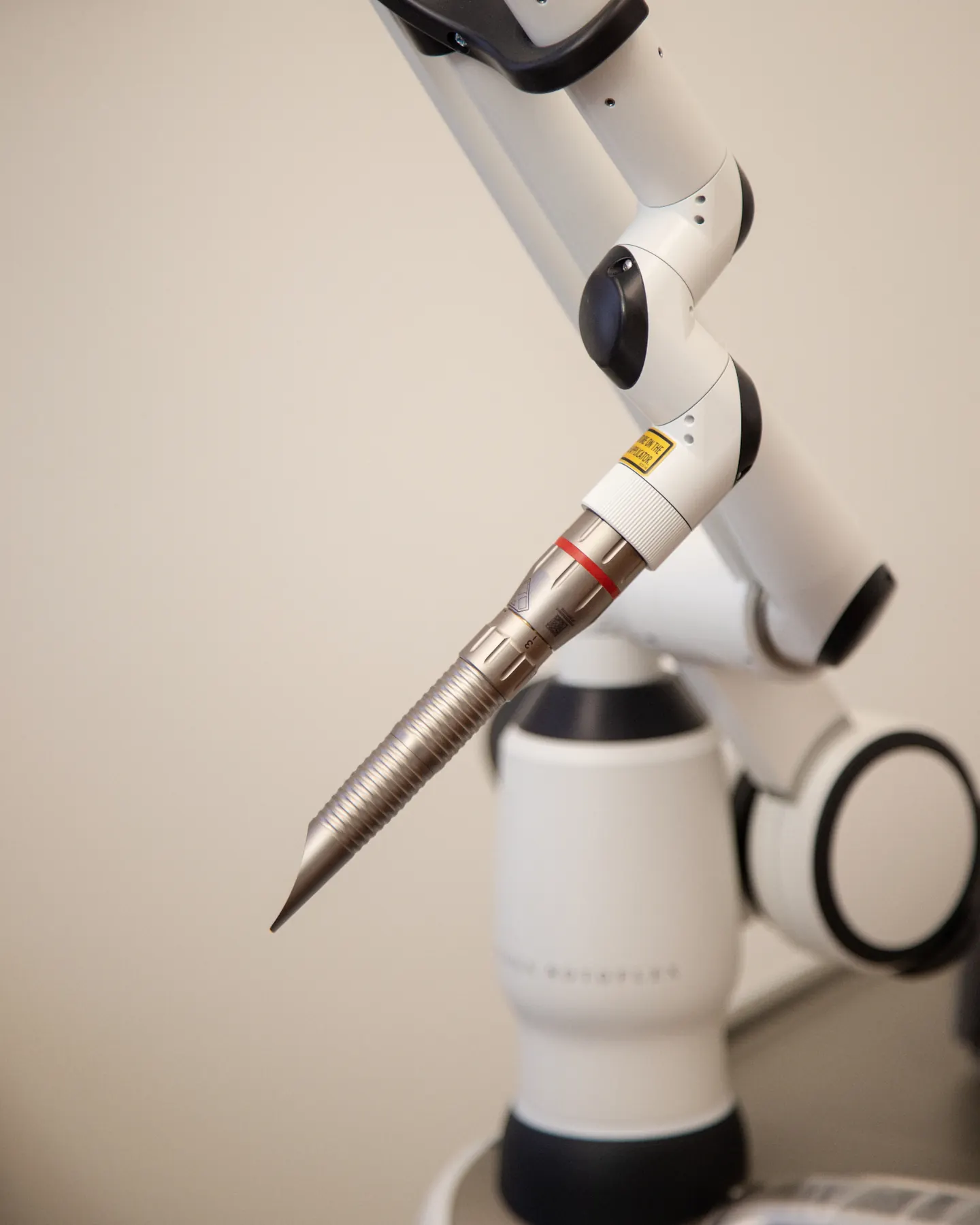
Walk into almost any aesthetic practice in Encino and you will hear the same two requests again and again: smoother skin and firmer skin, preferably without a long recovery. That combination is exactly why Fotona 4D has attracted so much attention. Patients want visible change, but many are not interested in the downtime that comes with a deeper peel or a surgical procedure. They want texture that looks refined, pores that appear less obvious, and a face that feels fresher without looking overdone.
Fotona 4D, often discussed alongside the TimeWalker platform, sits in that middle ground. It is a multi step laser treatment designed to address skin quality from different angles, including collagen stimulation, mild tightening, and surface refinement. It is not a facelift, and it is not the most aggressive resurfacing treatment on the market. Its appeal is that it layers several modes of treatment into one session, which can make the overall result look more balanced and natural.
For patients researching a Fotona 4D Laser Facial (TimeWalker) in Encino, CA, the real question is not whether the name sounds advanced. The useful question is how it actually works on skin, what problems it addresses well, and where its limits are. Those details matter more than branding.
Why smoother skin requires more than one approach
Skin does not become rough or tired looking for just one reason. Fine lines, enlarged pores, loss of elasticity, uneven texture, mild laxity, and dullness often show up together. Treating only the surface can help with glow, but if the deeper support structure is weak, results may look temporary or incomplete. Treating only deeper tissue can create subtle tightening, but if the outer layer still feels rough, the improvement may not read clearly in the mirror.
That is the logic behind Fotona 4D. Instead of relying on a single laser pass, it combines several steps that target different depths of the skin and soft tissue. In practice, that means some energy is delivered inside the mouth to support the tissue around the lower face and perioral area, while other passes work externally to stimulate collagen and refine the skin surface.
This layered method makes sense clinically because smoother skin is not purely a surface issue. Texture is influenced by collagen density, hydration, epidermal turnover, and the way light reflects off the skin. If you improve more than one of those factors at once, the face tends to look healthier in a way that is easier to notice but harder to pinpoint. That subtlety is often what patients want.
What Fotona 4D actually is
Fotona 4D is a non surgical laser treatment that uses two laser wavelengths within the Fotona system, typically Er:YAG and Nd:YAG, across four distinct treatment modes. The exact settings and sequence can vary by provider and skin needs, but the concept remains consistent. Each step has a different purpose, and together they aim to improve tone, texture, and firmness.
The TimeWalker name is often associated with Fotona platforms built around aesthetic rejuvenation. In patient conversations, people sometimes use the names almost interchangeably. What matters in a treatment room is not the label alone, but whether the provider is using the platform skillfully and tailoring settings to your skin condition, pigment level, and goals.
The treatment is often described as a “full thickness” non ablative or minimally ablative rejuvenation strategy, depending on the stages used. That sounds technical, but the plain language version is simple: some parts heat tissue below the surface to trigger collagen remodeling, and another part lightly resurfaces the outside to improve texture and brightness.
The four dimensions, explained in plain English
The treatment is often broken into four stages. Not every office explains them the same way, but the broad structure is usually similar.
-
The first stage commonly treats inside the mouth, along the cheeks and around the lips, using controlled heat to stimulate collagen in the tissue that supports the nasolabial area and lower face.
-
The second stage usually delivers deeper heating externally, often with Nd:YAG energy, to create tightening and encourage remodeling without breaking the skin surface.
-
The third stage targets more superficial irregularities and can work on areas where fine lines and texture changes are beginning to show.
-
The fourth stage lightly polishes the surface, helping with reflectivity, roughness, and that dull, fatigued look many patients complain about.
This structure is one reason people notice a multifaceted result. The skin can look brighter after the superficial pass, but the more meaningful changes often come from the gradual collagen response over the following weeks and months. I have found that patients who understand this from the beginning are much happier than those expecting a one day transformation. The immediate post treatment glow is real, but the fuller result usually builds.
How the treatment helps create smoother skin
When people say they want smoother skin, they may mean several different things. One patient may be bothered by a crepey texture under the eyes. Another may focus on vertical lip lines, while someone else is frustrated by acne scarring or enlarged pores across the cheeks. Fotona 4D can help with some of these concerns, but it works best when the problem is mild to moderate texture change, early laxity, and general loss of skin vitality.
The smoothing effect comes from a few mechanisms happening at once. First, thermal stimulation can nudge fibroblasts to produce new collagen. More organized collagen can improve the feel and look of the skin over time. Second, the superficial resurfacing component helps remove some of the rough outer layer that makes skin look tired or uneven. Third, gentle tightening can improve the way skin sits over the underlying contours, which makes texture seem more refined even before the surface changes fully mature.
This is why patients often describe the result with phrases like “my skin looks less crinkled” or “makeup sits better.” Those comments are more informative than dramatic before and after claims. They reflect the practical benefits people notice in daily life. Smoother skin is not only about what appears in a close up photograph. It is also about how the face catches light, how products apply, and whether the skin feels more even when you wash it.
What the inside of the mouth treatment is doing
The intraoral portion tends to be the part patients find most surprising. It sounds unusual at first, but the concept is straightforward. By delivering heat through the mucosal tissue inside the mouth, the provider can stimulate tissue remodeling in an area that supports the folds and creases around the mouth and cheeks.
That step is especially interesting for patients who are developing early smile line prominence or those fine etched lines around the lips that lipstick tends to collect in. External treatment alone can help, but the inside out component is part of what makes Fotona 4D distinct. It is not magic, and it will not erase deep static folds the way surgery or filler might address volume loss. Still, for the right patient, it can soften that deflated, tired look around the lower face in a very natural way.
Most patients tolerate this portion better than they expect. It feels warm, occasionally intense, but usually manageable. A good provider will keep the tissue moving, monitor comfort closely, and adjust settings appropriately.
Why provider technique matters so much
Devices matter, but technique matters more. Two offices can both offer a Fotona 4D Laser Facial (TimeWalker) in Encino, CA and produce very different experiences and outcomes. Settings, pulse duration, number of passes, overlap, patient selection, and aftercare all influence the result.
Encino has a well informed aesthetic patient population. Many people have already tried facials, peels, microneedling, or injectable treatments before they arrive for a laser consult. That history matters. Someone with sun damaged skin from years of outdoor activity in Southern California may need a different approach than Fotona 4D Laser Facial (TimeWalker) Encino, CA a younger patient whose main complaint is enlarged pores after acne. Someone with melasma or a tendency toward post inflammatory hyperpigmentation needs especially careful planning.
A seasoned provider does not simply run the same protocol on every face. They look at skin thickness, oiliness, visible redness, pigment pattern, laxity, and how aggressive the patient wants to be. They also pay attention to timing. A person with an upcoming wedding in ten days may be a poor candidate for a stronger session if even mild swelling or flaking would create stress.
The treatment day, realistically
Most appointments begin with photographs and a skin assessment. Numbing may or may not be used, depending on the protocol and the provider’s preference. Some patients do well with a topical numbing cream for the more superficial resurfacing portions, while deeper heating steps may not require it in the same way.
The sensation is often described as a mix of warmth, prickling, and quick snapping heat. It is usually tolerable, though comfort varies by area. Around the mouth and along bony parts of the face, people tend to feel more intensity. Sessions commonly run anywhere from around 45 minutes to 90 minutes, depending on the extent of treatment and whether the neck is included.
Right afterward, many patients look pink and feel warm, similar to a moderate sun exposure. Mild swelling can happen, especially around the eyes or mouth. Some protocols leave the skin looking almost normal within a day, while others create a sandpapery texture for several days as the superficial layer renews. If someone tells you there is never any visible aftermath, that is too absolute. Usually the downtime is mild, but mild is not the same as nonexistent.
What recovery tends to look like
Recovery depends on the intensity of the session. Lighter treatments may cause redness for a day or two, with little interruption to routine. More assertive settings can lead to short term dryness, swelling, or fine flaking over several days. Makeup often goes back on quickly, but many patients notice that the skin texture changes during the healing window before it settles and brightens.
A few practical aftercare points matter more than fancy products:
- Keep the skin clean, moisturized, and protected from sun exposure.
- Avoid picking at any roughness or flaking.
- Pause strong actives such as retinoids or exfoliating acids until the skin has calmed.
- Use broad spectrum sunscreen consistently, especially in bright Encino weather.
Sun protection is not a small detail here. It is one of the main factors that helps preserve the gains from treatment. Freshly treated skin is more vulnerable, and Southern California light is unforgiving, even on days that do not feel particularly hot.
Who tends to do well with Fotona 4D
The best candidates are usually people with mild to moderate textural change, early skin laxity, fine lines, enlarged pores, or a dull complexion who want meaningful improvement without surgery. It can be an especially good fit for patients in their thirties through sixties who still have enough skin elasticity to respond to collagen stimulation.
It is also useful for people who want a refreshed appearance but are wary of looking altered. The result tends to be incremental and cumulative rather than dramatic overnight. That makes it attractive for professionals, parents, and anyone who prefers a quieter aesthetic approach.
Where does it fall short? If someone has very deep etched wrinkles, significant jowling, heavy eyelid laxity, or pronounced acne scarring, Fotona 4D may help, but it may not be enough on its own. In those cases, combination treatment often makes more sense. That might include injectables, other resurfacing lasers, RF microneedling, or surgery, depending on the anatomy and the goal.
This is where honest consultation matters. A good plan does not oversell a device. It matches the device to the problem.
Skin tone, pigment, and caution points
Any laser conversation should include skin tone and pigment history. Not all rejuvenation treatments are equally suitable for all patients, and settings need to be chosen with care. Patients with darker skin tones or a history of post inflammatory hyperpigmentation can often still be treated, but caution is essential. Lower energy, modified protocols, pretreatment skin conditioning, and careful follow up may all be part of a safer strategy.
Likewise, active infections, open skin lesions, certain photosensitizing medications, and some inflammatory skin conditions can change whether treatment should proceed. If someone has a history of cold sores, the provider may discuss antiviral prophylaxis, especially when the perioral area is being treated. These details can sound minor, but they make a real difference in avoiding preventable complications.
How many sessions are usually needed
One of the most common misconceptions is that a single session settles everything. Some people do see a visible improvement after one treatment, particularly in brightness and skin feel. For collagen remodeling and more durable textural change, a series is often recommended. In practice, many providers suggest about three sessions spaced several weeks apart, then maintenance based on how the skin responds and how quickly someone tends to age or lose collagen.
Age, lifestyle, and baseline skin quality all influence that schedule. A 38 year old who wears sunscreen daily, does not smoke, and has minimal sun damage may maintain results differently than a 58 year old with years of UV exposure and more established laxity. Neither approach is right or wrong. They are simply different starting points.
Patients often ask whether maintenance is really necessary. From a biologic standpoint, yes. Collagen does not stop breaking down because you had a good laser treatment once. Maintenance helps preserve gains and often requires less intensity than starting from scratch after several years.
How Fotona 4D compares with other options
Patients in Encino are usually weighing this treatment against a few familiar alternatives. Microneedling can improve texture and stimulate collagen, but it does not create the same combination of intraoral treatment, deep heating, and superficial polishing. Traditional ablative resurfacing can produce stronger textural improvement, especially for deeper lines and scars, but it usually comes with more downtime and more aftercare. Radiofrequency based treatments can tighten and remodel tissue, though the skin surface effect differs by device and protocol.
The value of Fotona 4D is balance. It sits between light maintenance procedures and more aggressive resurfacing. For the right patient, that balance is the point. It offers noticeable refinement with a recovery period that many people can fit into ordinary life.
That said, the best treatment is not always the newest sounding treatment. A patient with mostly brown spots may benefit more from a pigment focused strategy. A patient whose main issue is volume loss in the midface may get the biggest visual improvement from filler or biostimulatory injectables rather than laser alone. The smart approach is to identify the dominant problem first.
What results tend to look like over time
The timeline matters. In the first several days, patients often notice brightness and a slightly tighter feel. Over the next four to twelve weeks, collagen remodeling can gradually improve texture and firmness. This delayed phase is often the more satisfying one because the face starts to look rested rather than freshly treated.
A realistic result might be softer fine lines around the mouth, smoother cheek texture, smaller appearing pores, and a mild lift in overall skin quality. Friends may say you look well rested without being able to identify what changed. That is usually a good sign.
The less realistic expectation is complete erasure of established folds, surgical lifting, or scar removal after one session. Laser marketing sometimes blurs those distinctions. Good clinical outcomes depend on staying honest about what collagen stimulation can and cannot do.
Practical questions to ask at a consultation in Encino
If you are considering a Fotona 4D Laser Facial (TimeWalker) in Encino, CA, ask specific questions. Not broad questions like “is it safe,” because every treatment can be safe or unsafe depending on how it is used. Ask how many sessions the provider expects for your goals. Ask what downtime they think you will actually have with the settings they plan to use. Ask whether your skin tone, pigment history, or melasma risk changes the protocol. Ask what other options they considered and why they believe this one fits.
Those conversations tell you more than polished marketing language ever will. An experienced provider should be able to explain trade offs clearly. If they speak only in absolutes, promise zero downtime, or act as though one treatment solves every skin problem, that is a red flag.
Why this treatment fits the Encino lifestyle
Encino patients often want treatments that thread a narrow needle. They want visible improvement, but they also need to be at work, at school pickup, at dinners, or on camera for meetings. They are not always willing to disappear for two weeks of recovery. Fotona 4D fits that rhythm better than many more aggressive procedures.
The climate also plays a role. Chronic sun exposure is one of the main reasons skin texture, pigment irregularity, and collagen loss creep up earlier than people expect in Southern California. A treatment that addresses both skin quality and early laxity can make sense here, especially when paired with strong sun habits afterward.
The people who tend to be happiest with it are not chasing a radically different face. They want their skin to look smoother, fresher, and more resilient. They want a treatment that respects the fact that aging happens at multiple depths, not just at the surface. When that expectation is set properly, Fotona 4D often lands in a very useful sweet spot. It is not the biggest hammer in aesthetics, but for the right level of concern, that is exactly why it works so well.
OMNIA Wellness Center
16430 Ventura Blvd Ste 207, Encino, CA 91436
Phone: +1 818-386-8511
FAQ About Fotona 4D Laser Facial (TimeWalker) Encino, CA
What is a Fotona laser good for?
Fotona lasers support several different aesthetic protocols. The Fotona 4D facial uses two wavelengths and four treatment modes to address concerns such as fine lines, skin texture, and mild laxity. OMNIA Wellness Center offers the TimeWalker facial with an individual consultation. Suitability and likely improvement depend on the person's skin and goals; results are not guaranteed, and this treatment does not reproduce a surgical facelift.
How much does a Fotona laser treatment cost?
The cost depends on the treatment protocol, areas treated, number of sessions, and provider's assessment. Ask OMNIA Wellness Center for a current written quote that explains what is included, whether follow-up is included, and any proposed package terms. An individualized estimate is more useful than assuming that one advertised price applies to every facial treatment.
How much downtime is there after a Fotona laser procedure?
Recovery varies with the specific protocol and intensity. Fotona describes its 4D facial as having little to no downtime, but temporary redness or sensitivity can occur, and a stronger surface treatment can require more recovery. Ask the treating clinician what to expect from the planned settings, how to care for the skin afterward, and when to contact the clinic with concerns.